

Ubuntu Linux-based Voyager 24.04 LTS unites GNOME and Xfce

The latest release in the world of Linux, Voyager 24.04 LTS, introduces a novel approach by combining two popular desktop environments, GNOME and Xfce, into a single distribution. Based on Ubuntu’s “Noble Numbat” and powered by the Linux 6.8 kernel, this version offers a unified experience designed for both PC and tablet platforms.
Voyager 24.04 LTS features a seamless integration of GNOME 46 and Xfce 4.18, maintaining distinct identities for each environment while sharing a common base. This allows for a simplified user interface where applications specific to one environment do not clutter the other, unless necessary.
Kioxia unveils TransMemory U304 USB flash drive

Kioxia has announced its new TransMemory U304 series of USB flash drives. One of the key attributes of the TransMemory U304 series is the slide-click mechanism that allows users to extend and retract the USB-A connector with a single push. This feature includes an auto-return mechanism that retracts the connector automatically once disconnected, helping to prevent damage during transport.
The U304 series comes in three color options: light blue, magenta, and black, offering users a choice based on their personal preference. Additionally, the flash drives are designed with a strap hole, allowing them to be easily attached to bags or keychains, which enhances portability and reduces the risk of losing the device.
Microsoft and Estée Lauder transform the beauty industry with AI

Today, Estée Lauder Companies (ELC) and Microsoft unveil their latest initiative: the AI Innovation Lab. This venture builds on their ongoing global partnership, aiming to harness generative AI capabilities from Microsoft’s Azure OpenAI Service to revolutionize ELC’s portfolio of over 20 prestige brands.
This collaboration is designed to foster closer consumer relationships and accelerate product launches with a focus on local relevance, highlighting the companies’ commitment to leading the charge in the digital transformation of the beauty industry.
Microsoft and IBM open source MS-DOS 4.00


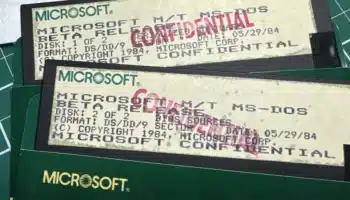
Microsoft, in partnership with IBM, has released the source code of MS-DOS 4.00 under the open-source MIT license. This release comes a decade after Microsoft first made the source code for MS-DOS 1.25 and 2.0 available to the public through the Computer History Museum.
The decision to release the MS-DOS 4.00 source code was inspired by the discovery of early, unreleased beta binaries by researcher Connor “Starfrost” Hyde. Hyde’s discovery stemmed from a conversation with former Microsoft Chief Technical Officer Ray Ozzie, who unearthed the binaries among floppies sent to him during his tenure at Lotus. Intrigued by the software’s historical value, Hyde approached the Microsoft Open Source Programs Office (OSPO) to explore the possibility of making these resources publicly available.
Software file converters: How they work and why you need them

In today's digital world, we deal with a vast array of file formats daily, from documents and images to videos and audio files. However, not all software or devices can open every document type, leading to compatibility issues. This is where file converter software comes into play, making our digital lives more convenient and efficient.
A file converter is a tool that allows you to convert one format into another. It acts as a digital translator, ensuring that your documents can be opened and used across different platforms, devices, and software applications. Whether you need to convert a Word document to PDF, an image from JPEG to PNG, or a video from AVI to MP4, a file converter software can handle the task seamlessly.
Human risk management automation can help beat burnout

Cyber criminals are relentlessly exploiting new technologies to improve their chances of success. As such, security professionals are feeling the pressure of keeping watch against these threats and trying to stay a step ahead of these criminals.
Yet, constantly remaining in a state of high alert is a formula for burnout, stress, and errors. But this doesn't have to be the case. Human risk management automation refers to the use of software tools to automate the processes of monitoring, reducing, and fixing workforce security risks. This can help ease the burden felt by security professionals and aid in improving overall security posture.
Vivaldi 6.7 debuts Memory Saver performance booster, expands Feed Reader capabilities

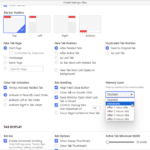
Vivaldi Technologies has released the latest version of its free, highly customizable browser with the launch of Vivaldi 6.7 for Windows, Mac, Linux, iOS and Android.
The new release focuses on improving performance through a new Memory Saver feature, but also finds time to add new and improved features to continue its rapid evolution.
Best Windows apps this week


Five-hundred-and-ninety-two in a series. Welcome to this week's overview of the best apps, games and extensions released for Windows 10 and 11 on the Microsoft Store and elsewhere in the past seven days.
Microsoft will advertise a selection of apps in the Windows 11 Start menu. The change landed in the latest optional update for Windows 11 and will roll out to all users as part of the May 2024 Patch Day.
Addressing digital transformation needs in the public sector [Q&A]


Many organizations are embracing the benefits of digital transformation to improve efficiency and customer experience.
Historically the public sector has often lagged behind when it comes to new technology, but digital transformation can have a significant effect in delivering better value and services. We spoke to Praveen Karadiguddi, CEO at Scrumconnect Consulting, to find out more about how transformation projects can work in the public sector.
The psychological impact of phishing attacks on your employees

As we observe Stress Awareness Month, it's important to recognize the toll that phishing attacks can take on individuals and organizations. These attacks have become increasingly sophisticated and widespread, with a staggering 94 percent of organizations falling victim to successful phishing attacks. As cybercriminals continue to exploit human vulnerabilities through social engineering, the impact on employee stress levels is a growing concern that cannot be ignored.
The constant vigilance required to identify and avoid these attacks, along with the potential consequences of falling victim, can contribute to increased anxiety and decreased productivity in the workplace. Addressing this issue is of paramount importance, to protect both the wellbeing of employees and the security of sensitive information.
Canonical releases Ubuntu Linux 24.04 LTS 'Noble Numbat'

Following a short beta test period, Canonical today released Ubuntu Linux 24.04 LTS. Codenamed “Noble Numbat,” this version promises enhanced performance, security, and developer productivity. Available for download at Ubuntu’s official site, this release marks a significant update supported for at least 12 years, emphasizing Canonical’s commitment to long-term support.
Mark Shuttleworth, CEO of Canonical, highlighted the release’s focus, “Ubuntu 24.04 LTS takes a bold step into performance engineering and confidential computing to deliver an enterprise-grade innovation platform.” This version introduces TCK certified Java, LTS for .NET, and the latest Rust toolchain, catering extensively to developer needs.
New tool lets enterprises build their own secure gen AI chatbots

Many companies have blocked access to public LLMs like ChatGPT due to security and compliance risks, preventing employees from taking advantage of the benefits of generative AI for day-to-day use.
Even when employees do have access, mainstream LLMs lack the ability to query an organization’s internal data, making insights unreliable and considerably limiting enterprise value for chat applications.
Younger women are going into cybersecurity but more needs to be done

New research from ISC2 shows improved representation of women under 30 in cybersecurity roles but concludes that more need to be done to improve diversity.
The study gathered responses from 14,865 people who participated in the latest ISC2 Workforce Study finds 36 percent of those under 30 were women compared to only 13 percent of those 65 or over and 17 percent overall.
Politically motivated DDoS attacks on the rise

This year has already seen several warnings of attacks targeting elections that are happening around the world.
A new report from NETSCOUT has identified a rise in politically motivated DDoS attacks. Peru experienced a 30 percent increase in attacks tied to protests about former Peruvian President Fujimori’s release from prison in December.
TCL 50 XL 5G Android smartphone hits Metro by T-Mobile: Big features, small price

TCL Mobile is set to make waves in the budget smartphone market with the launch of the TCL 50 XL 5G, available at Metro by T-Mobile here now. As the inaugural device in the highly anticipated 50 Series, the TCL 50 XL 5G aims to bring high-end technology within reach of more consumers with its attractive price tag of just $159.
The TCL 50 XL 5G boasts a large 6.78-inch FHD+ display complemented by a smooth 120Hz refresh rate, ensuring vivid visuals and fluid motion for an immersive viewing experience. This smartphone is not just about the display; it also features dual speakers enhanced with DTS sound technology, offering a superior audio experience for both headphone users and open-air listening.
© 1998-2024 BetaNews, Inc. All Rights Reserved. Privacy Policy - Cookie Policy.